OVERVIEW
Crewdle, a young startup based in Montreal, offers a green alternative to traditional videoconferencing solutions, prioritizing sustainability while delivering seamless virtual meeting experiences. The project's primary goal was to redesign Crewdle's website to effectively convey its eco-friendly ethos and enhance user engagement by addressing challenges such as ineffective communication of its platform's value proposition, a lack of cohesive brand identity, and suboptimal user experience on the existing site. Through this redesign, the aim was to establish a compelling online presence that resonated with environmentally-conscious users, ultimately driving increased sign-ups and engagement.
Scope and Constraints
The project spanned one month for rebranding and three months for design and implementation using Webflow. In addition to the primary goal of redesigning Crewdle's website to effectively convey its eco-friendly ethos and enhance user engagement, there was also a desire to create a visually interesting website with a low carbon footprint. This added scope required extensive research and study on eco-design principles to integrate sustainable design practices and materials into the website's visual elements. Key constraints also included time limitations for learning Webflow rapidly and ensuring seamless integration with the platform.
My Role
As the UX/UI and identity designer, I rebranded Crewdle's website, created a cohesive brand identity, refined messaging in collaboration with the content team, and managed the entire design and implementation process on Webflow. Furthermore, I conducted accessibility and sustainability audits to ensure the website reflected Crewdle's values.
Key Contributions
• Market & user research
• Brand strategy, visual identity, guidelines & documentation.
• Color palette, typography, imagery, and engaging website content.
• Website architecture & content inventory
• Website design & implementation on Webflow (No-code website builder)
• User testing & optimization
• Accessibility and green audit and optimization
• Data analysis and metrics evaluation
• Training and guidance for website evolution
MY PROCESS

The five steps of Design Thinking: an iterative journey
USERS
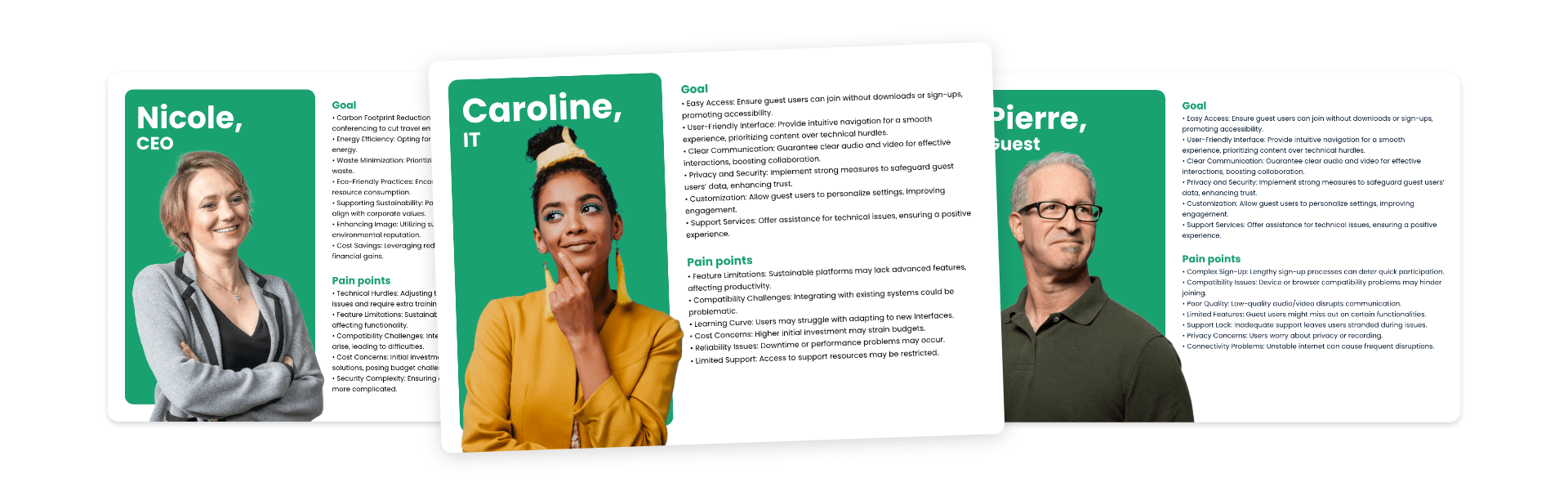
The users can be categorized into two main types: individuals and enterprises. Individual users are environmentally conscious and seek sustainable solutions for their virtual meetings. These users are likely to be tech-savvy and appreciate user-friendly digital platforms. On the other hand, enterprises comprise businesses and organizations that prioritize eco-friendliness and sustainability in their operations. Additionally, enterprises are actively seeking solutions to minimize their carbon footprint in alignment with current regulatory requirements or evolving industry norms.
ACTIVITIES
To kickstart this project, an immersive research phase was undertaken. Through client meetings and workshops, crucial insights into Crewdle's brand vision, target audience, competitive landscape, and core values were gathered. Concurrently, extensive market research was conducted to analyze industry trends and competitors, providing valuable context for strategic decision-making.
In addition to market analysis, research extended to understanding users' needs and behaviors, culminating in the creation of detailed user personas. These personas served as archetypal representations of Crewdle's diverse audience, informing subsequent branding and design decisions.
Brand identity, voice, and messaging
Building upon the insights garnered from research, the focus shifted to developing a cohesive brand strategy. This involved crafting a concise positioning statement that encapsulated Crewdle's core values and unique selling proposition. Subsequently, a meticulous exploration of visual concepts led to the development of a comprehensive visual style guide, defining the brand's color palette, typography, and visual language to ensure consistency across all touchpoints. Additionally, efforts were directed toward defining Crewdle's brand voice and messaging strategy collaboratively with the content team. Together, we determined the appropriate personality and tone for consistent communication, crafting compelling key messages to effectively articulate the brand's value proposition to its audience.
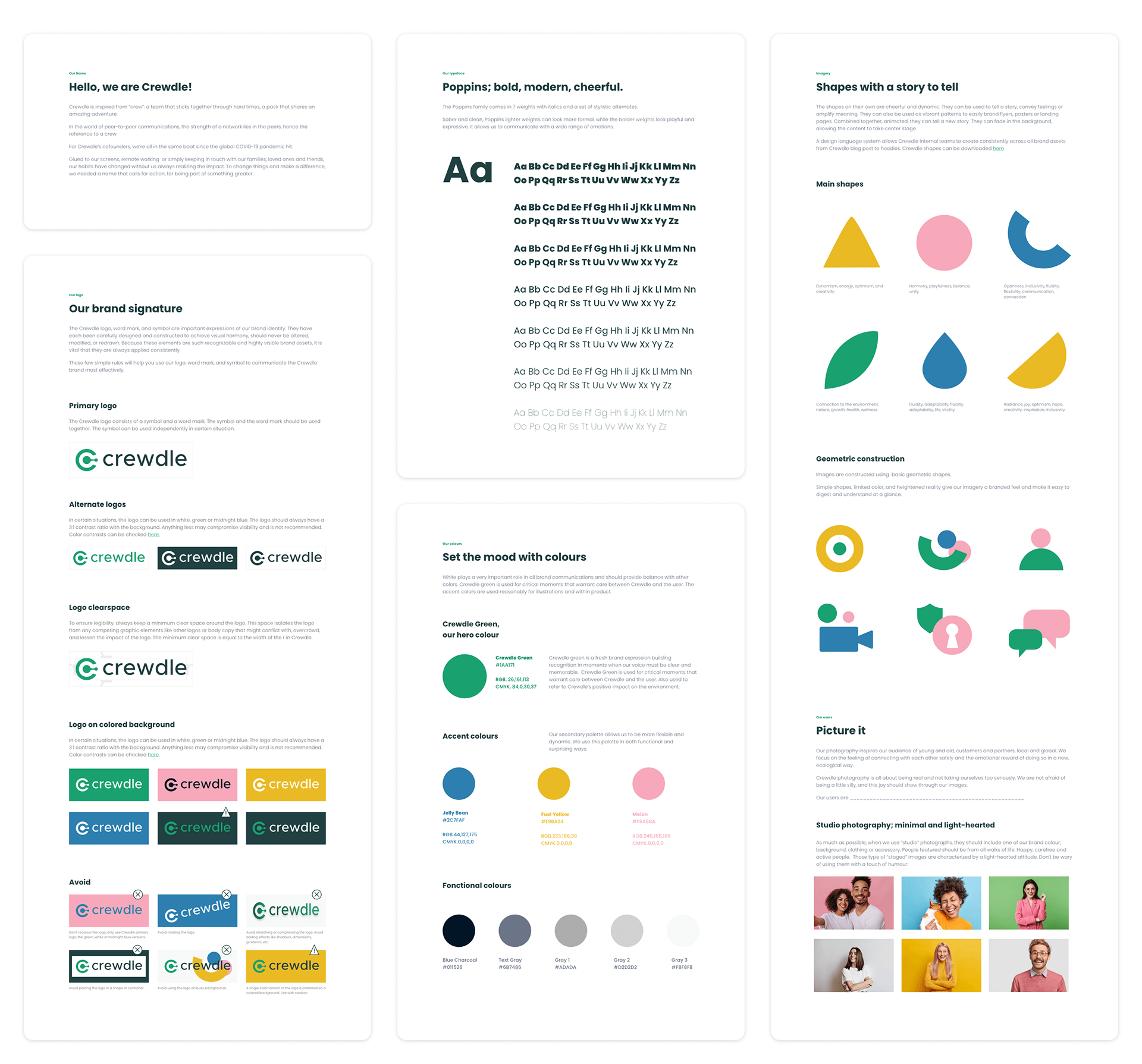
A peek into Crewdle's Brand Book crafted to uphold the brand's essence across all touchpoints and interactions
Website Creation and Integration with Webflow
The website development phase focused on creating a user-friendly and functional experience. This involved defining a website architecture that prioritized logical structure and easy navigation. A comprehensive content inventory was conducted to catalog all website content and guide decisions on its purpose and placement within the architecture.Wireframes and prototypes were then created to visualize the website's layout, functionality, user flow, and content hierarchy. These visuals were used to present design concepts to stakeholders, facilitating an iterative refinement process based on their feedback. This collaborative approach ensured the website design prioritized user experience.
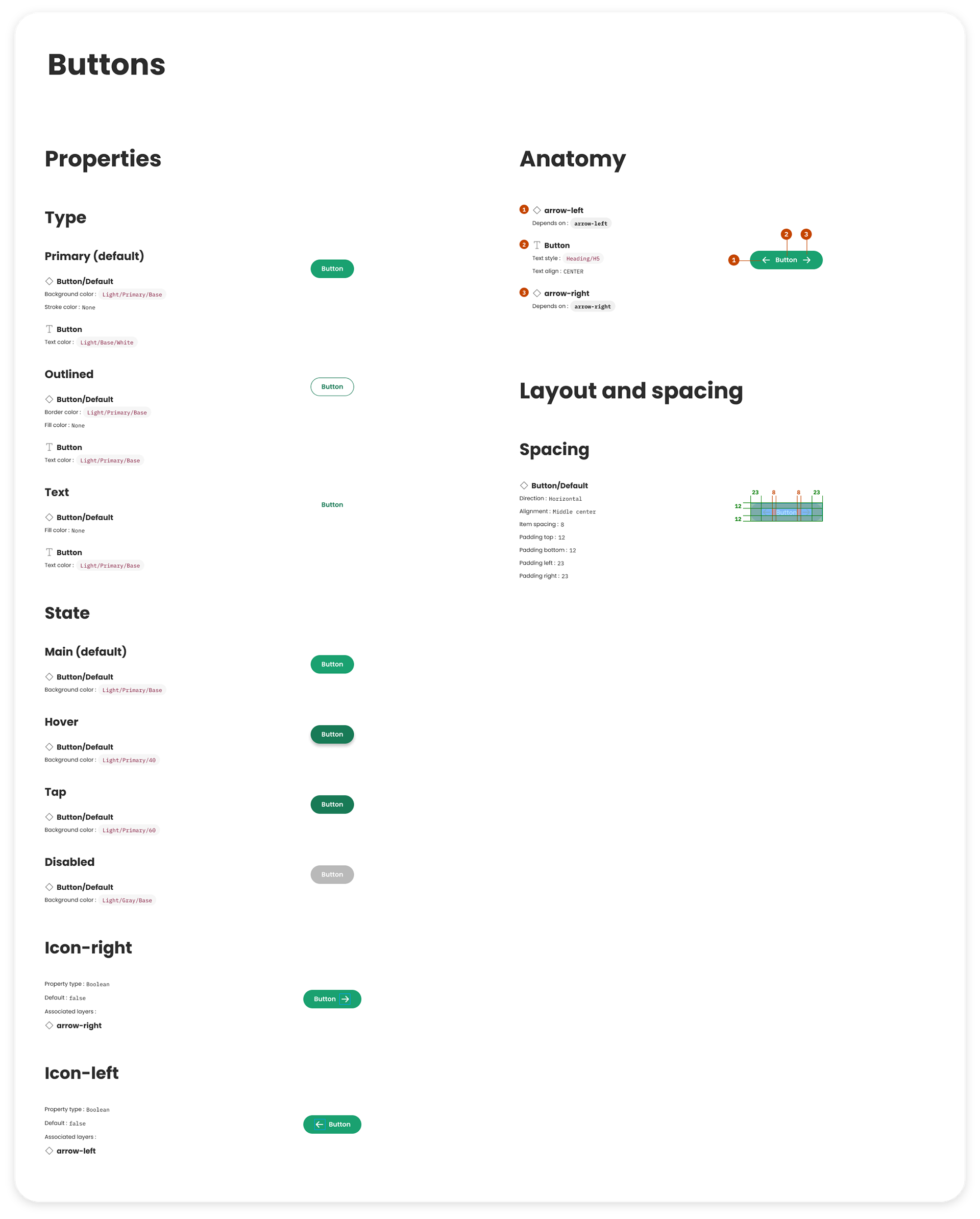
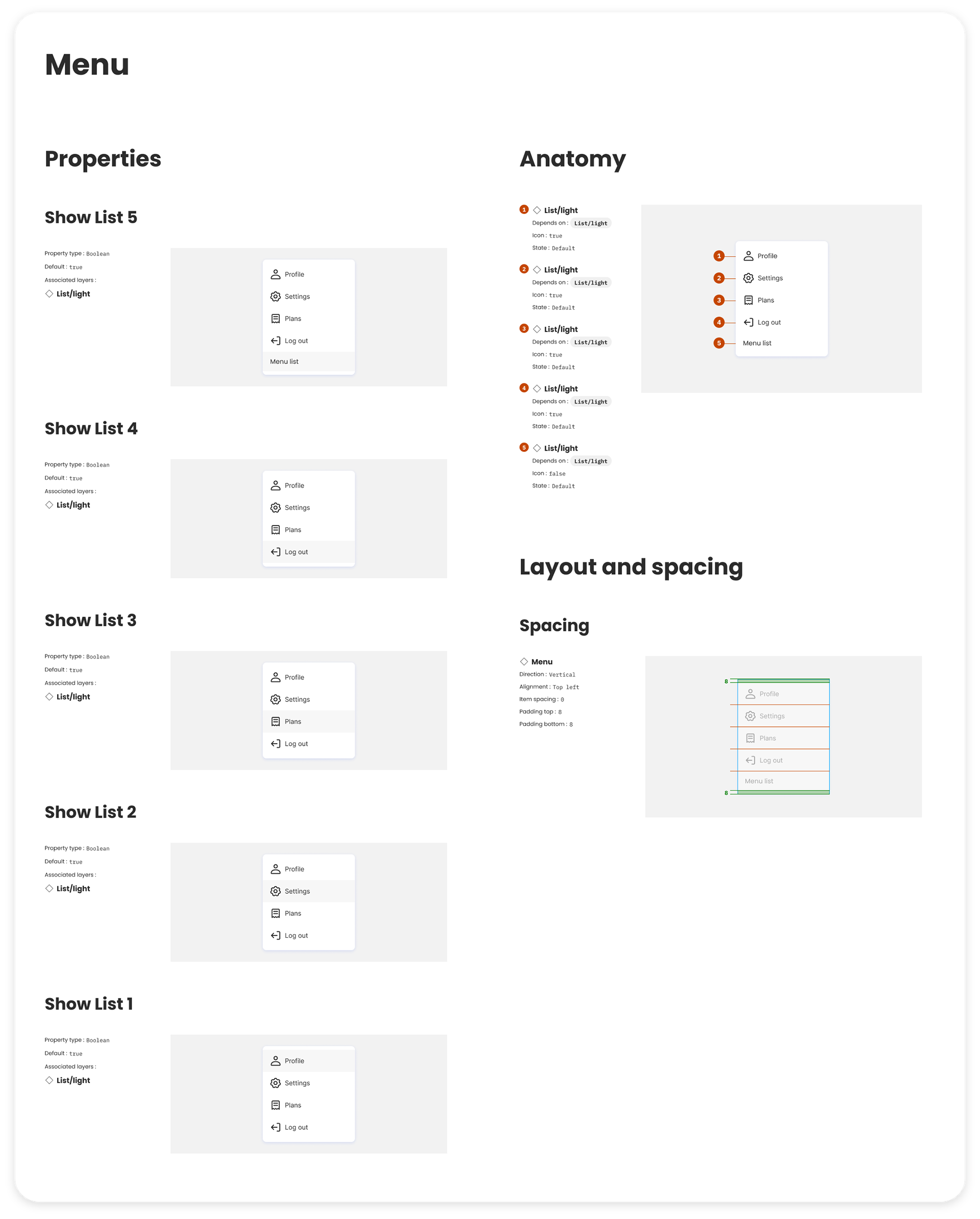
Next came design integration and development. Here, I took the lead, diving into Webflow to seamlessly integrate the design. While I had to learn the platform from scratch, I was able to successfully translate the visual design into a functional website within Webflow's capabilities. For any features that weren't natively supported by Webflow, I collaborated closely with the development team to ensure a smooth implementation and achieve compatibility across various devices and browsers. Through this combined effort, a cohesive, engaging, and user-friendly digital platform was delivered for Crewdle.
Accessibility and Green Audit
In alignment with Crewdle's dedication to sustainability, we embarked on a comprehensive audit process to ensure that the website adhered to both accessibility standards and environmentally friendly principles. This audit involved a meticulous examination of various design elements and development practices to guarantee that the website not only minimized its environmental footprint but also maximized inclusivity for all users.
During the audit, each aspect of the website's design and development was carefully scrutinized to identify any potential areas for improvement. This included assessing factors such as color contrast ratios, font sizes, keyboard navigation, and alternative text for images to ensure compliance with accessibility standards. Additionally, we evaluated the website's energy consumption and resource usage, aiming to minimize its environmental impact through efficient design practices and sustainable hosting solutions.
Furthermore, we explored opportunities to incorporate eco-friendly design principles, such as using sustainable materials for digital assets, optimizing server resources to reduce energy consumption, and implementing features that promote environmental awareness and sustainability initiatives. By integrating these practices into the website's development, we not only reinforced Crewdle's commitment to sustainability but also ensured that the digital platform remained accessible and inclusive for all users, regardless of their abilities or backgrounds.
User Testing, Iteration, and Data Analysis
Once the website was developed, it underwent rigorous user testing to gather valuable feedback from its intended audience. Iterative design improvements were then implemented based on these insights, addressing usability and comprehension issues to enhance the overall user experience. Concurrently, key metrics such as sign-ups and page views were tracked and analyzed to evaluate website performance and inform future optimization strategies.
Outcomes
The redesigned website successfully addressed the initial challenges and achieved significant outcomes. Firstly, it enhanced brand perception by establishing a cohesive visual identity and messaging that resonated with the target audience. Secondly, it resulted in a noticeable improvement in user experience, leading to increased engagement and conversions. Thirdly, the seamless integration with the Webflow platform facilitated efficient management and updates, enhancing overall operational effectiveness. Lastly, the website's compliance with accessibility standards and green principles further reinforced Crewdle's commitment to sustainability, aligning with its core brand values.
LESSONS LEARNED
Reflecting on the project, one crucial lesson learned was the importance of integrating sustainability considerations from the project's inception. Had sustainability been prioritized from the outset, it could have potentially mitigated the need for extensive rework and adjustments later in the development process. Additionally, dedicating sufficient time and resources to rapidly learn and master new tools like Webflow proved essential for smooth project execution. Furthermore, iterative user testing remained indispensable for identifying and addressing usability issues, underscoring the importance of incorporating user feedback throughout the design process. This experience highlighted that considering sustainability as a foundational principle from the project's outset not only enhances the overall quality of the website and user experience but also minimizes rework and ensures alignment with the brand's core values.